
Our Engineering Methodology


1
Step One
Measurement
Energy Measurement and Verification (M&V) is the process of measuring, collecting and analysing data for the purpose of establishing a baseline for energy savings within an individual facility.
The process is usually carried out by continuous measurement over an extended period in order to realise and manage the projected energy savings.
What are the benefits of the M&V process?
– Energy savings and taxation benefits through baselining.
– Cost reduction when financing projects (i.e. right-sizing)
– Achieve energy resource efficiency and environmental objectives.
Our services include:
– Audit of utility meters, utility billing disputes and management.
– Energy usage, power quality and harmonic measurements.
– Analysis of measured data to derive energy efficiency values.

Step Two
2
Efficiency
Efficient energy use simply means using less energy to perform the same task, which is achieved through eliminating energy waste.
The ratio of actual energy used vs wasted energy is called the power factor, this factor should be as close to unity as possible (i.e. no waste). The use of power factor correction (PFC) units and harmonic filters are used to improve the power factor and with it the energy efficiency.
What do efficiencies deliver?
– Reduced energy (kWh) and peak demand (kVA) costs.
– Released electrical capacity in the distribution system.
– Extended lifetime of plant equipment.
Our services include:
– Audit plant specific energy efficiency requirements and possibilities.
– Development of plant specific energy efficiency plans complete with projected savings.
– Engineer, procure, construct and the management of energy efficiency projects.
3
Step Three
Renewables
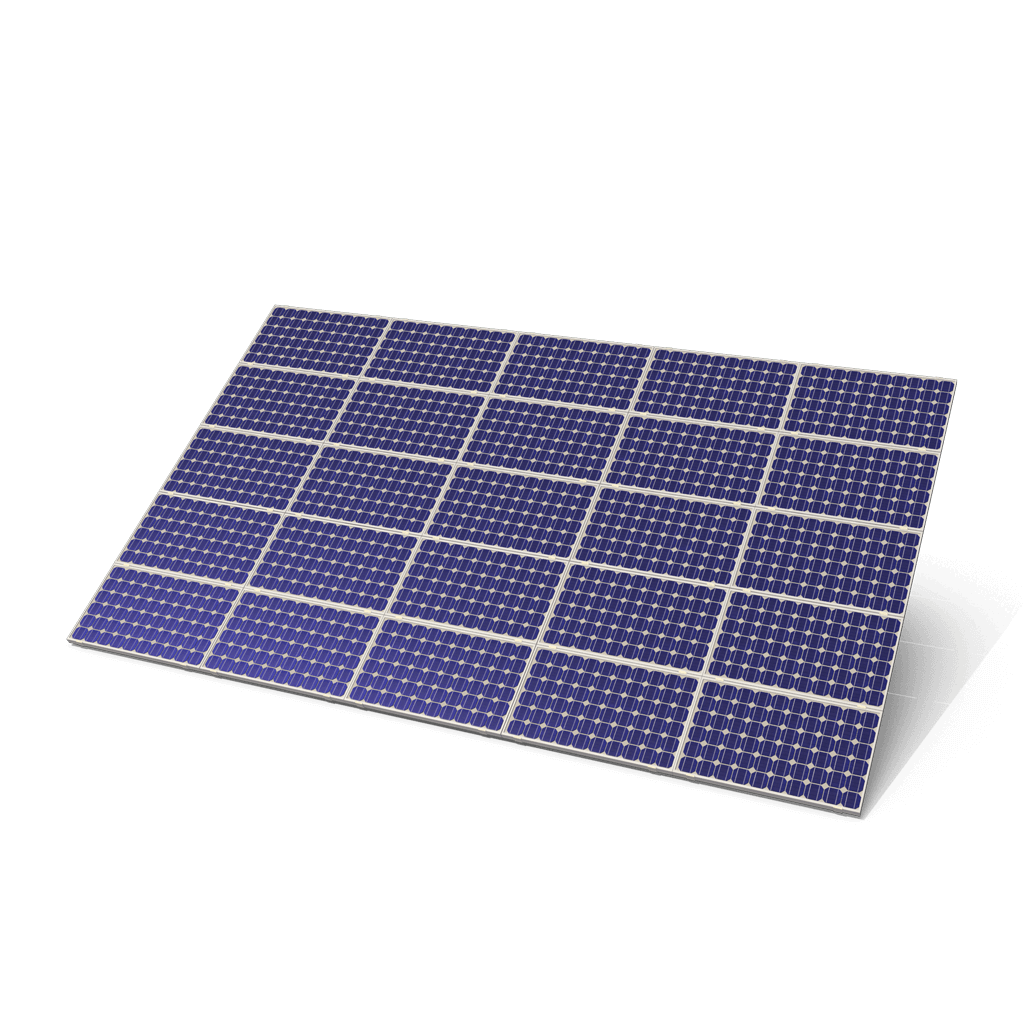
Renewable energy, comes from natural sources or processes that are constantly replenished (i.e. solar PV which uses light energy from the sun to generate useful electric energy).
Nowadays more innovative and less expensive ways to capture and retain wind and solar energy exists which is why renewables are becoming more feasible than fossil fuels.
What do renewables yield?
– Energy (kWh) and peak demand (kVA) savings from day 1.
– Uptime and consistency of supply (diversified energy sources).
– Funding (i.e. zero capex required) through financing and/or power purchase agreements.
Our services include:
– Audit plant’s ability to incorporate solar PV including selling of excess power to the grid.
– Engineer, procure, construct and the management of renewable energy projects.
– Securing of funds, licensing with the utility and all legislative requirements.

Step Four
4
Backup Solutions
Back-up power solutions are crucial in the midst of South Africa’s power crisis. We provide many viable options to our clients based on their unique energy needs and what their load demand is. One reliable option is a battery energy storage system (BESS), which stores power from the main grid or renewable energy sources such as solar PV. When loadshedding hits, the BESS seamlessly kicks in, providing a stable and continuous power source to critical equipment or entire buildings. Alongside the BESS, an uninterrupted power supply (UPS) is vital in safeguarding sensitive electronics by providing continuous uninterrupted and clean power during momentary outages or fluctuations.
By combining these backup power products, individuals and businesses can ensure a reliable and clean energy supply, protect sensitive equipment, and mitigate the impact, financial consequences and stresses related to load shedding.
What do battery back up solutions offer?
– Increased energy resilience.
– Backup power during load shedding.
– Maximum demand control and arbitrage.
– Uninterrupted power supply.
Our services include:
– Sizing of battery energy storage systems (BESS)
– Hybrid and battery inverters, batteries and cabling.
– Engineer, procure, construct and the management of backup systems.